Before the rollout
- Typical finance apps usually start with an account and a server.
- Bank imports, categories and goals get chaotic fast.
- A user needs control over the data, not just a pretty chart.
A local-first personal finance app. Expenses, assets, goals and CSV import — without keeping financial data on a server.
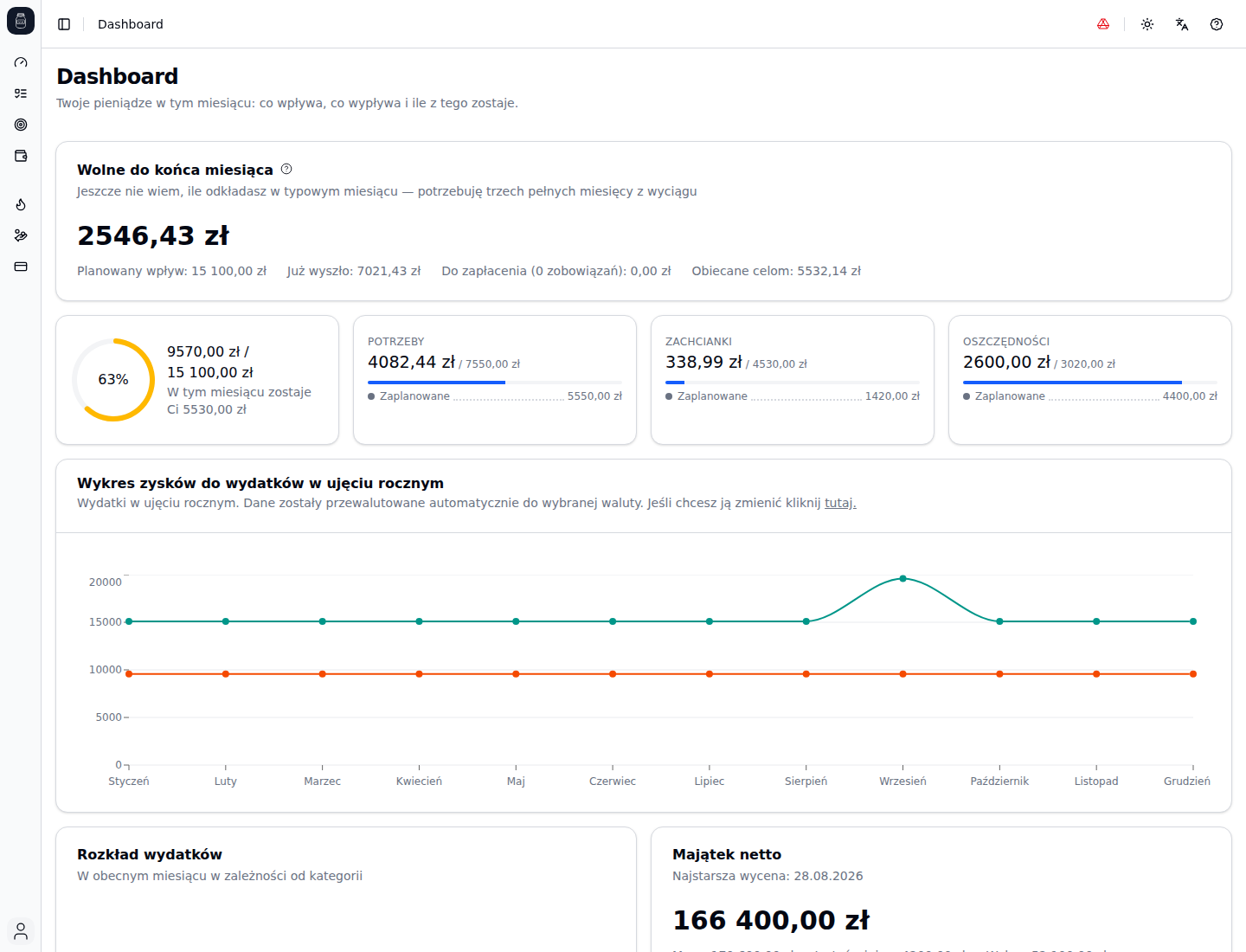
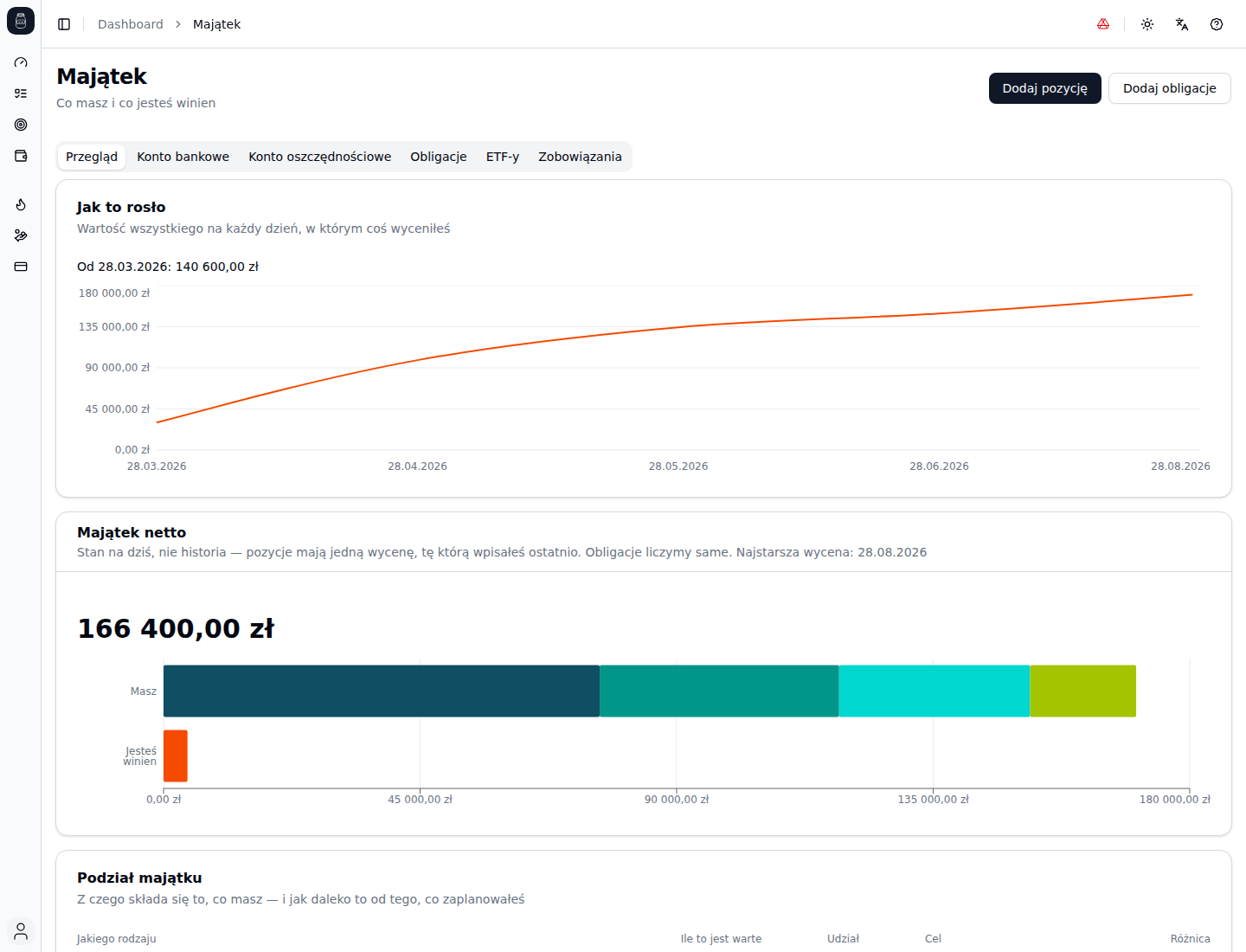
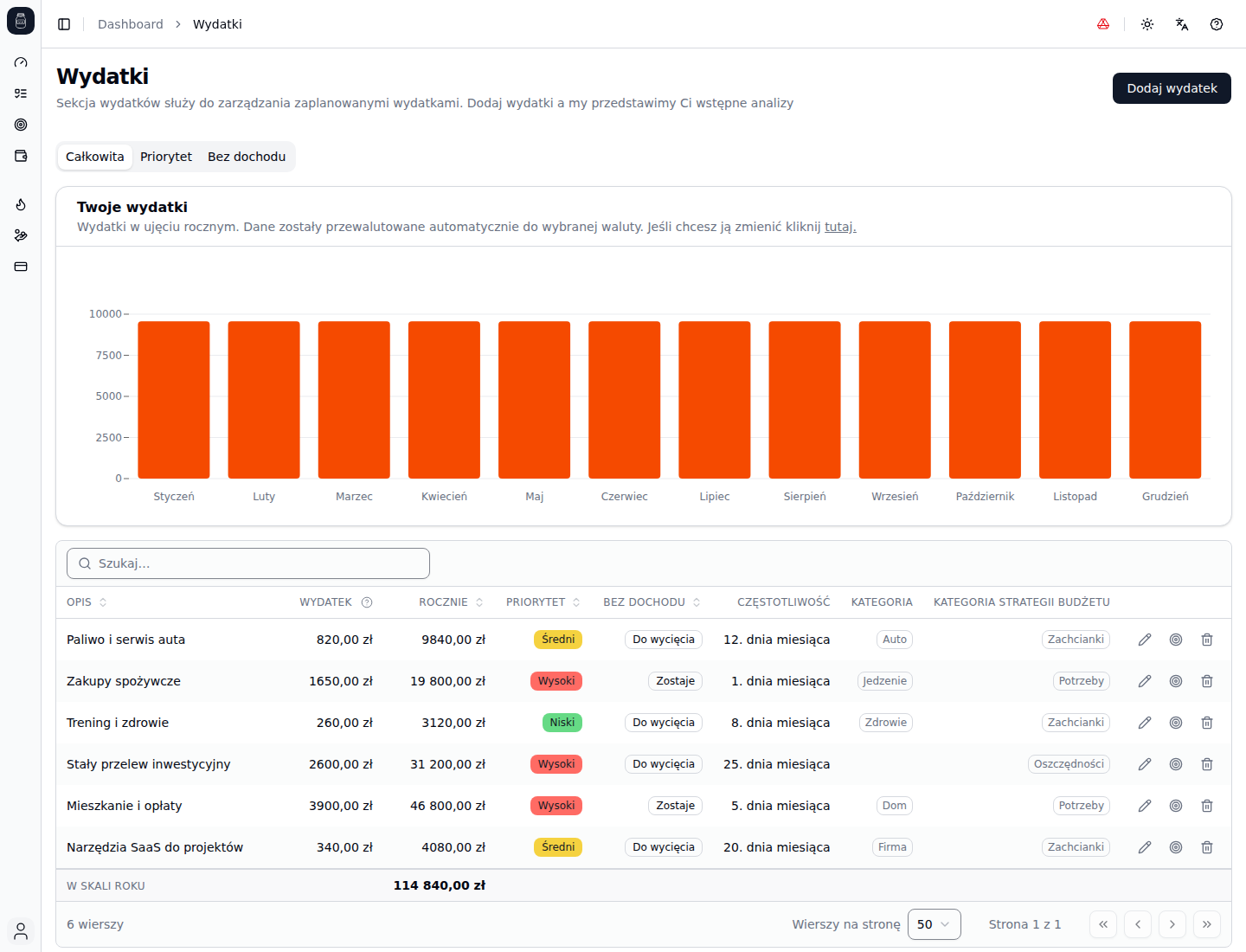
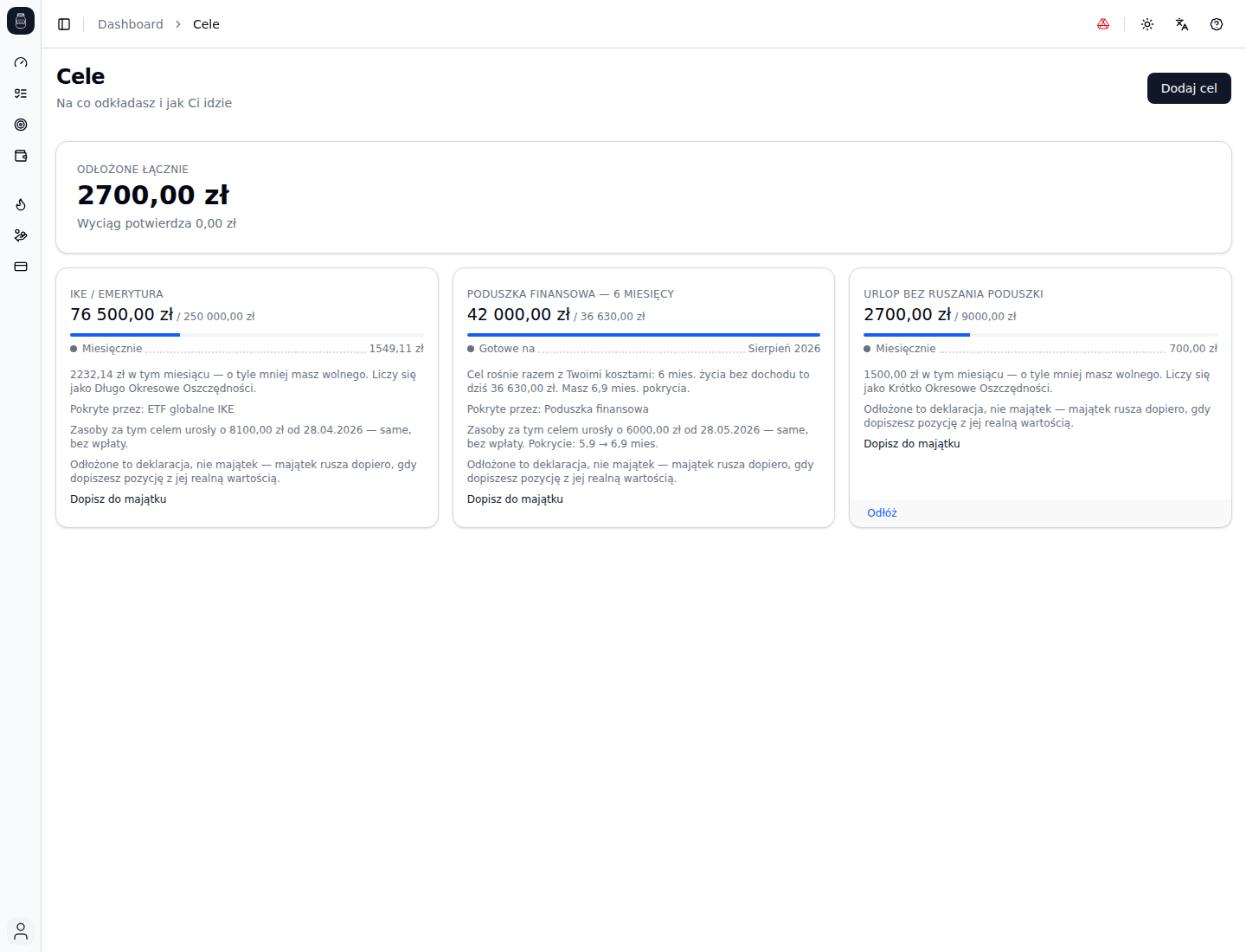
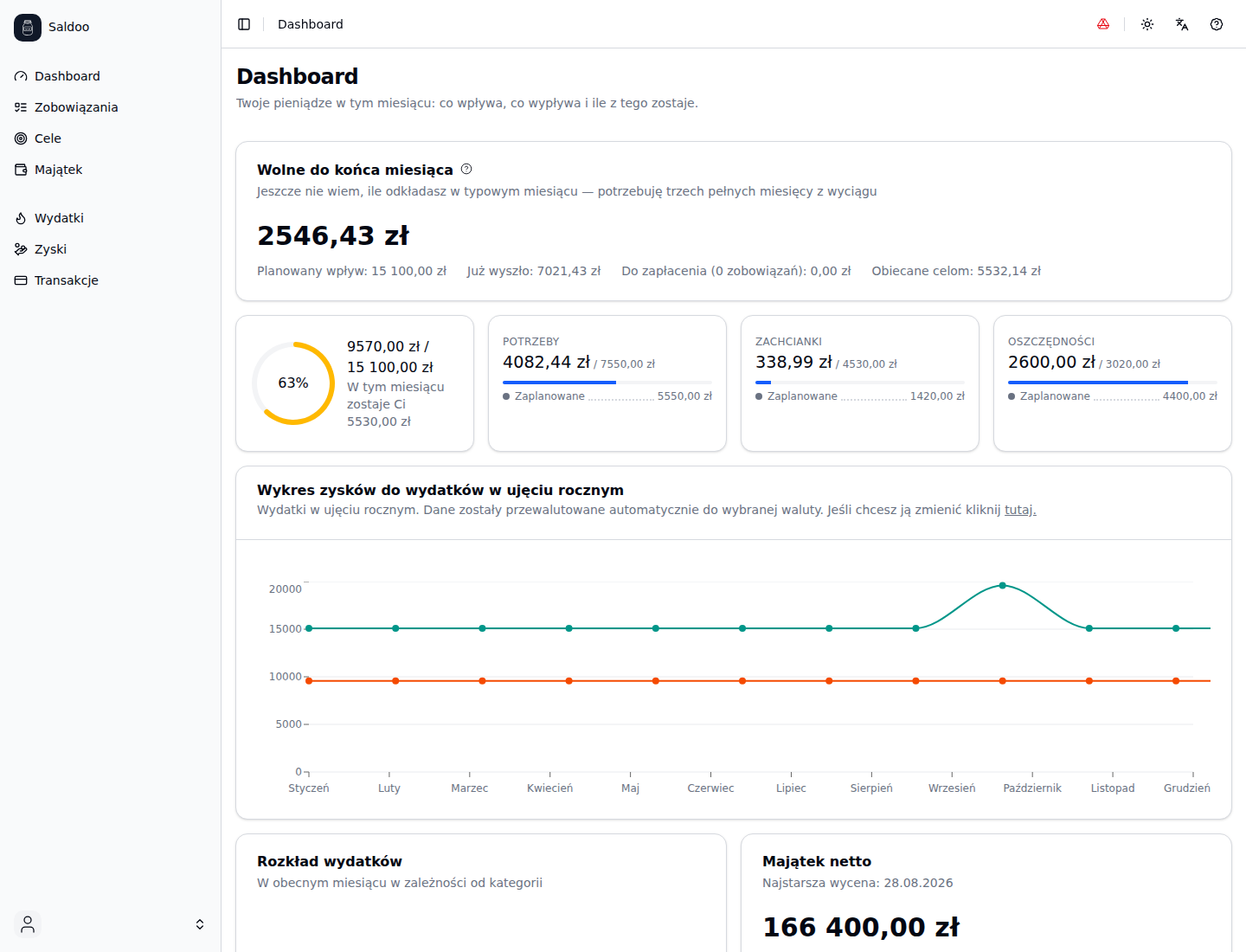
Saldoo brings order to a budget, assets and goals without moving private financial data onto someone else’s server.
The value here is not the dashboard itself but the decision: financial data stays as close to the user as possible.
IndexedDB and Dexie keep the finances locally in the browser.
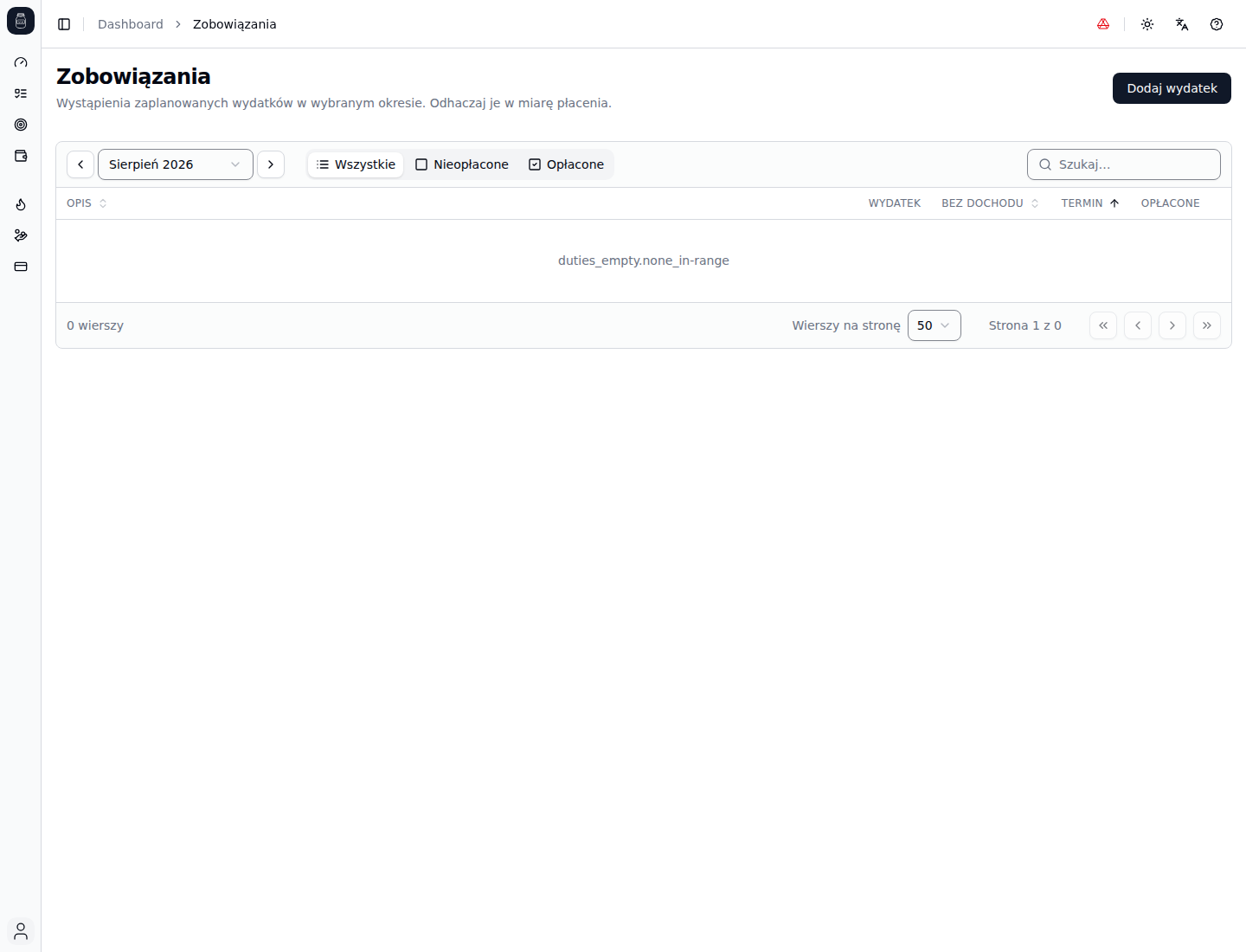
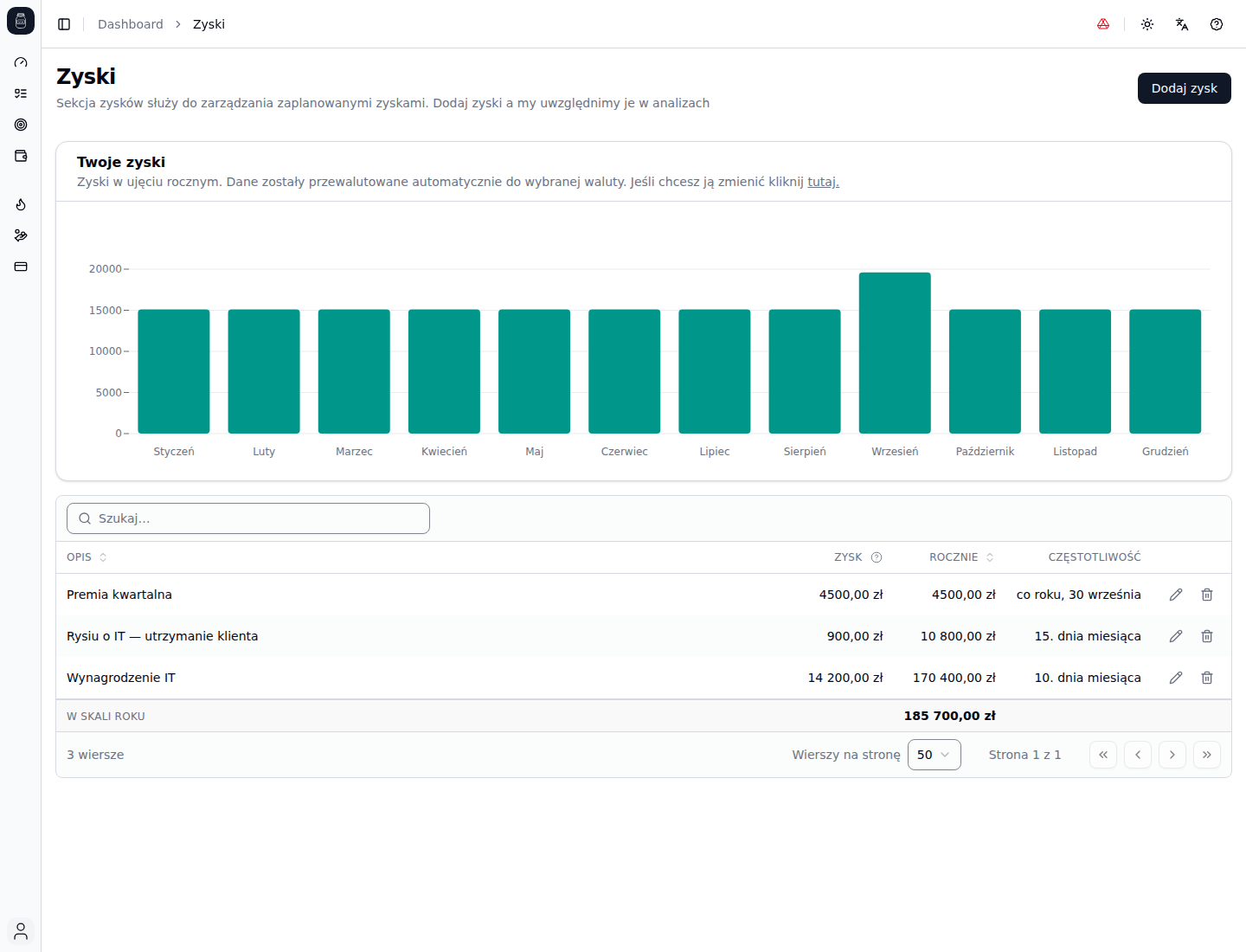
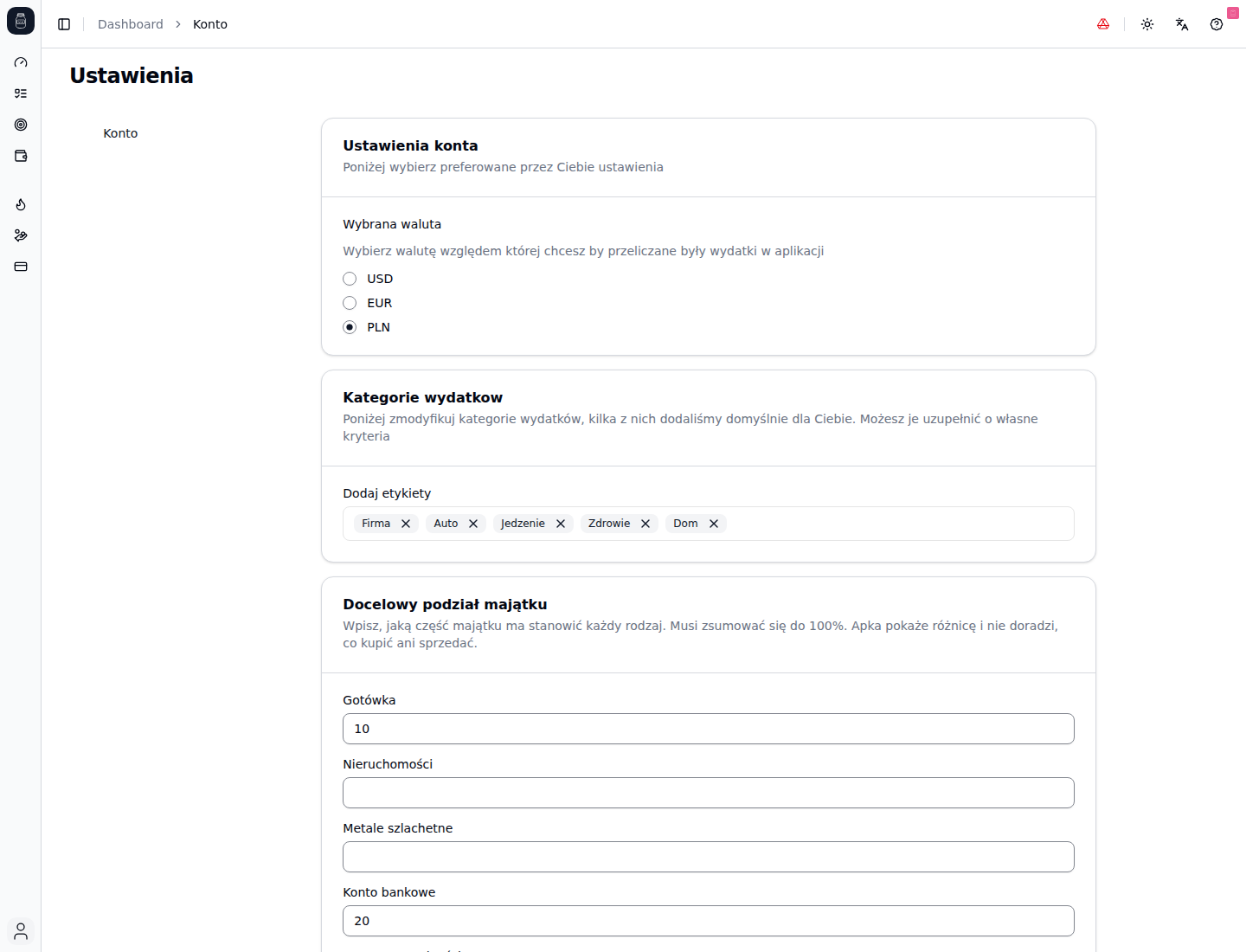
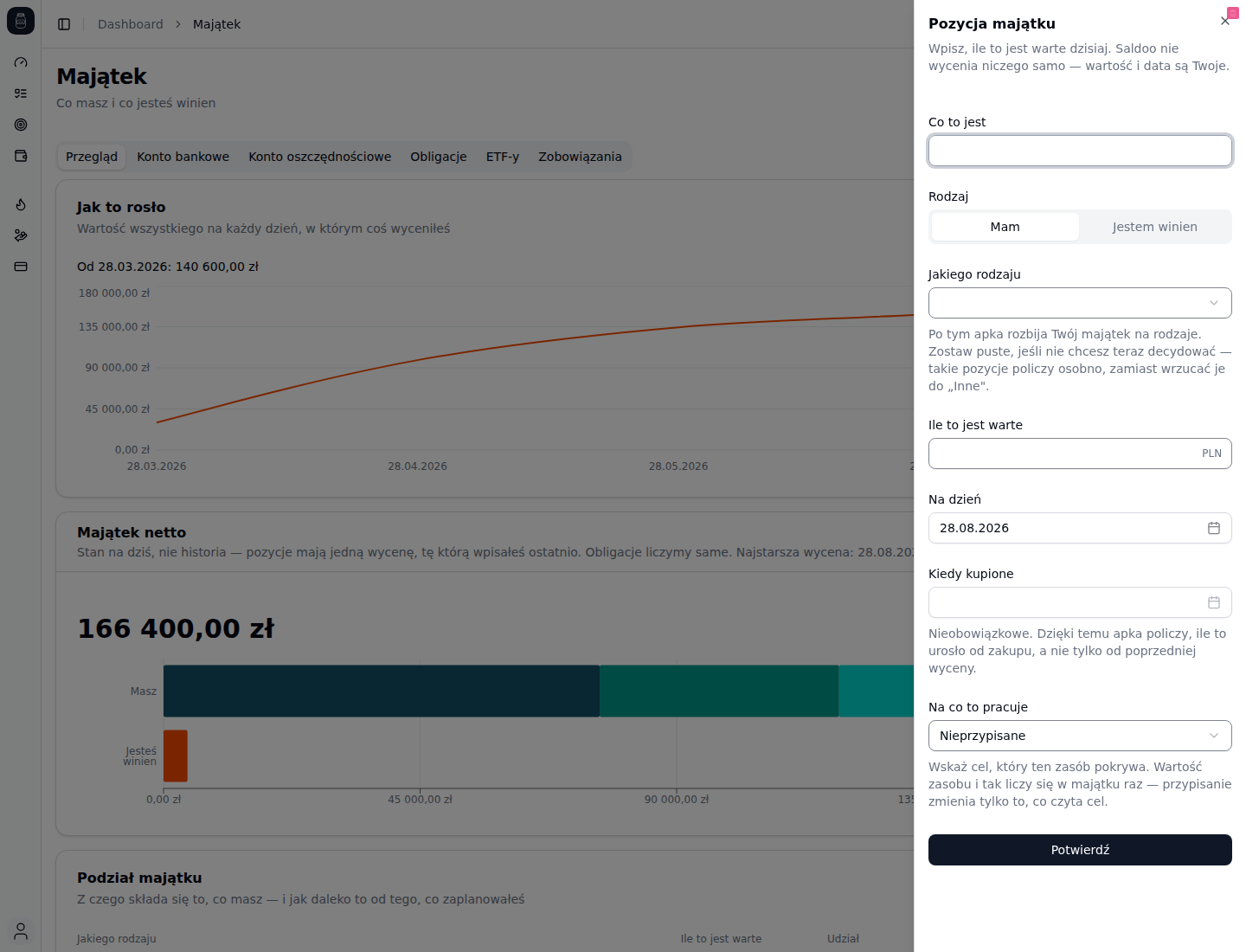
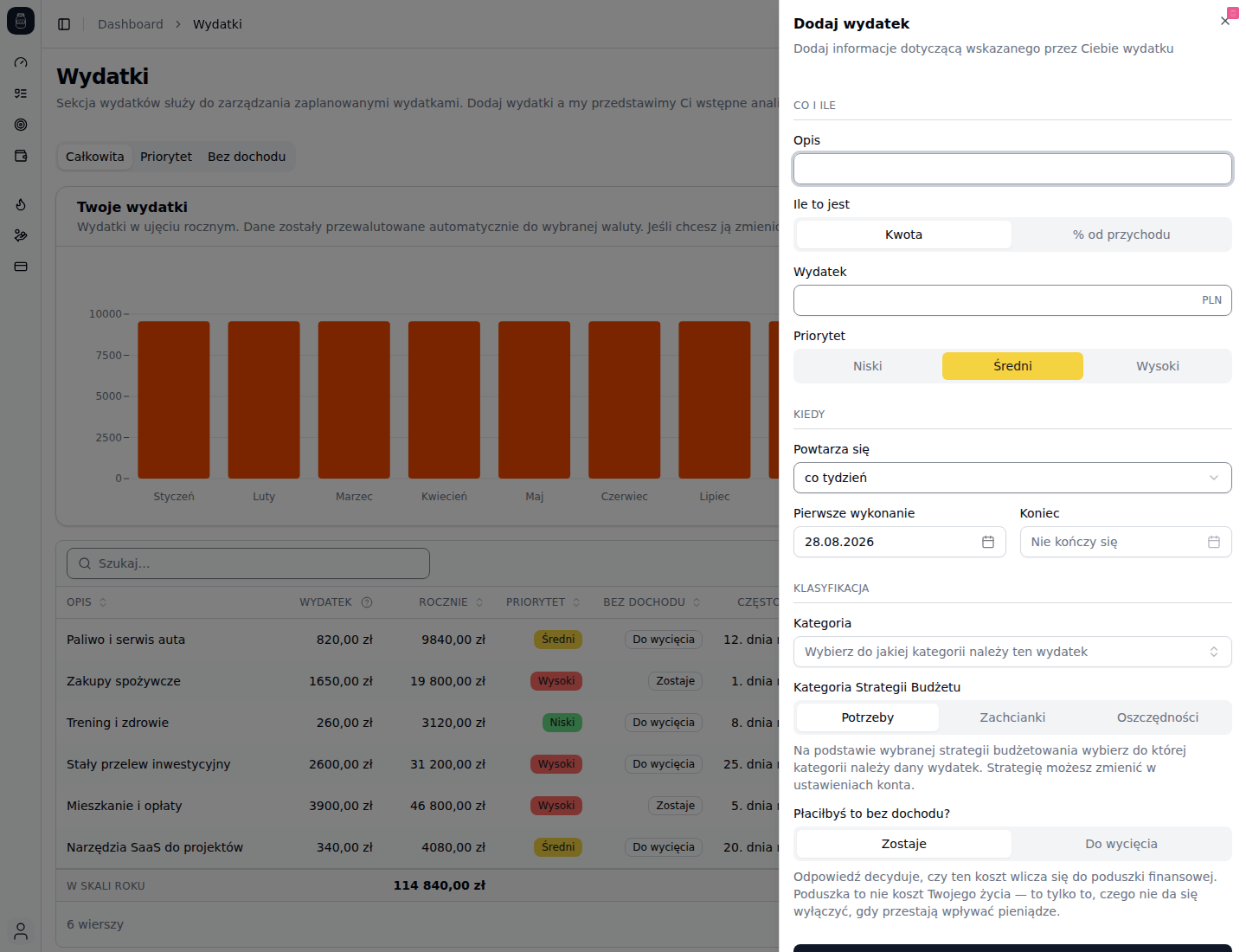
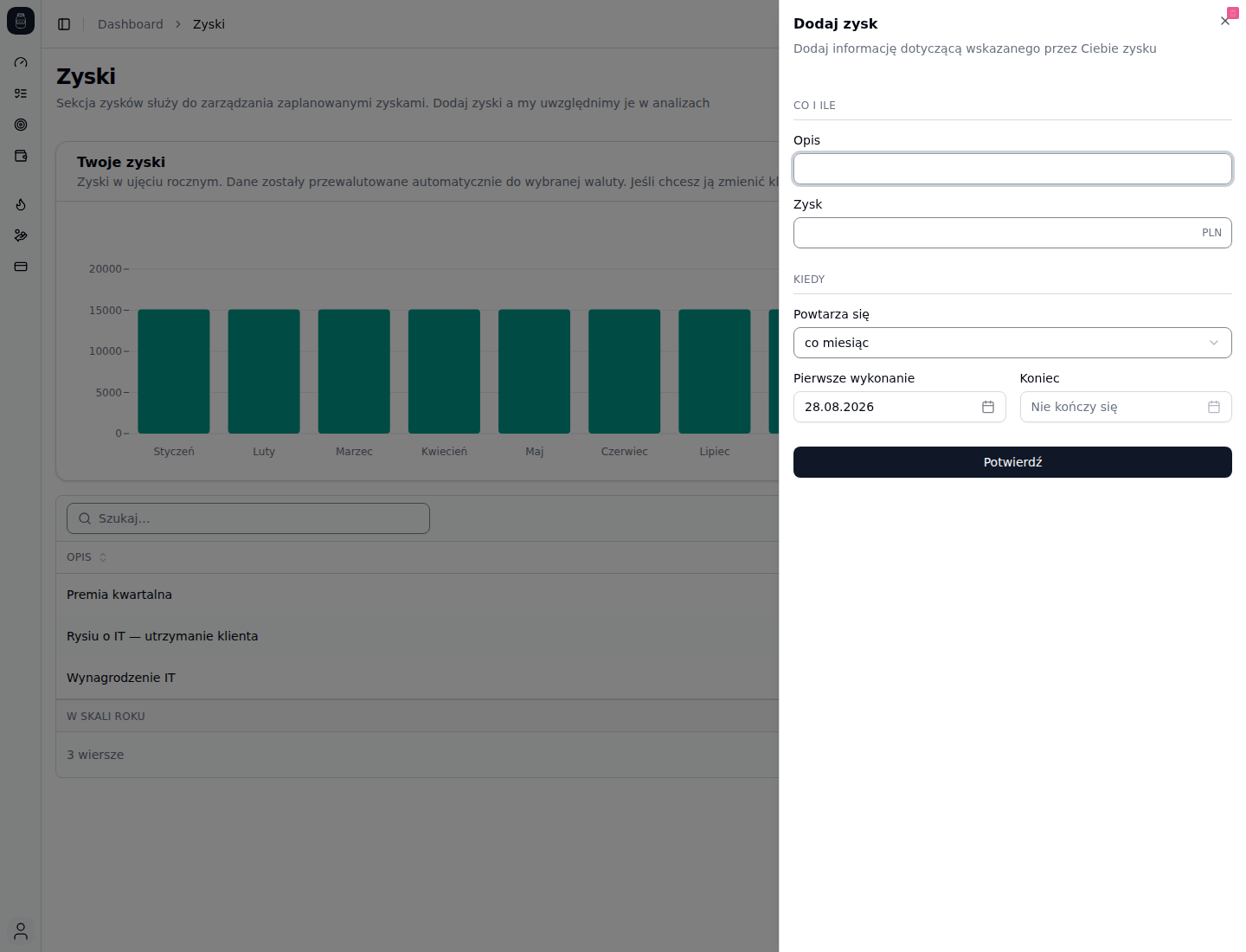
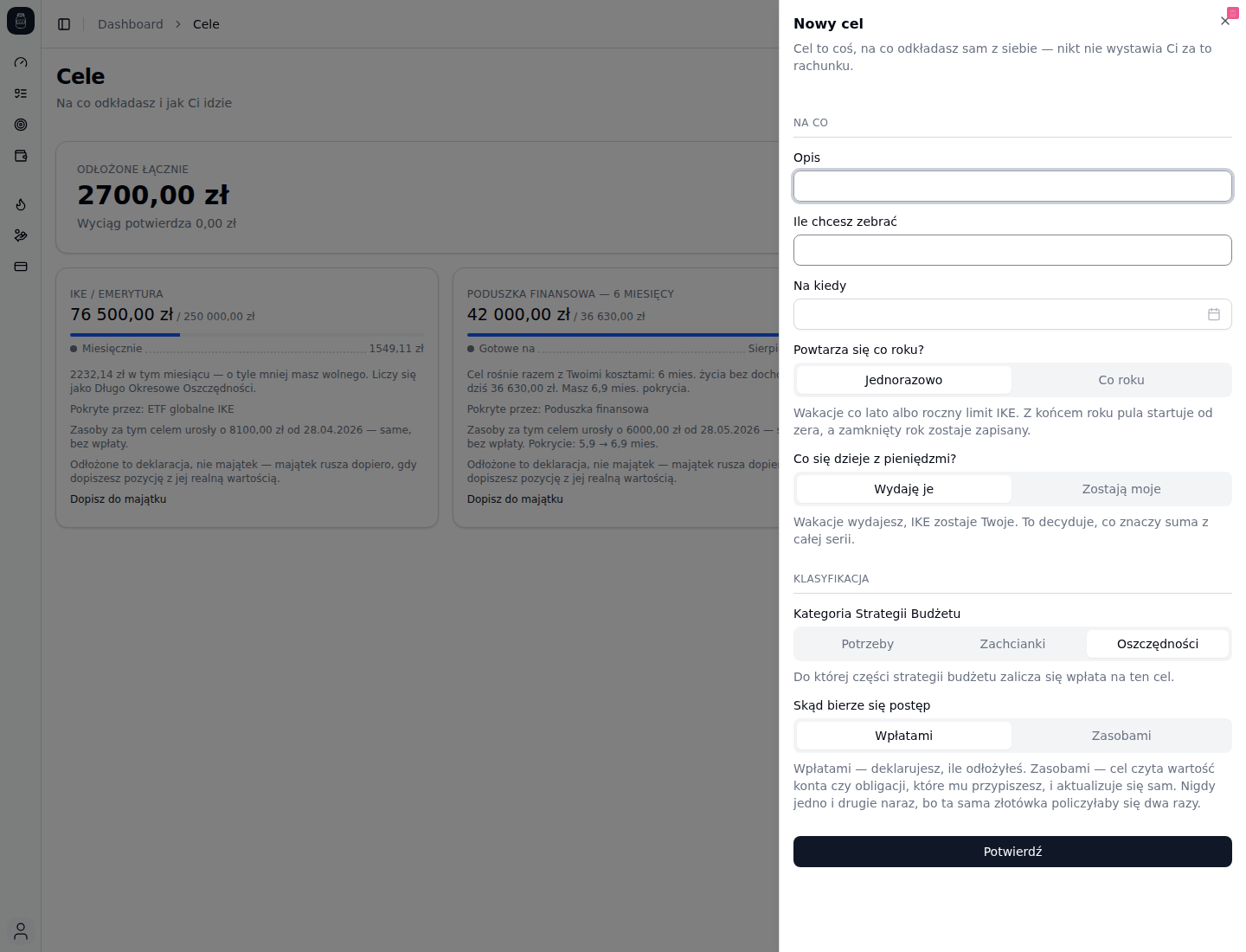
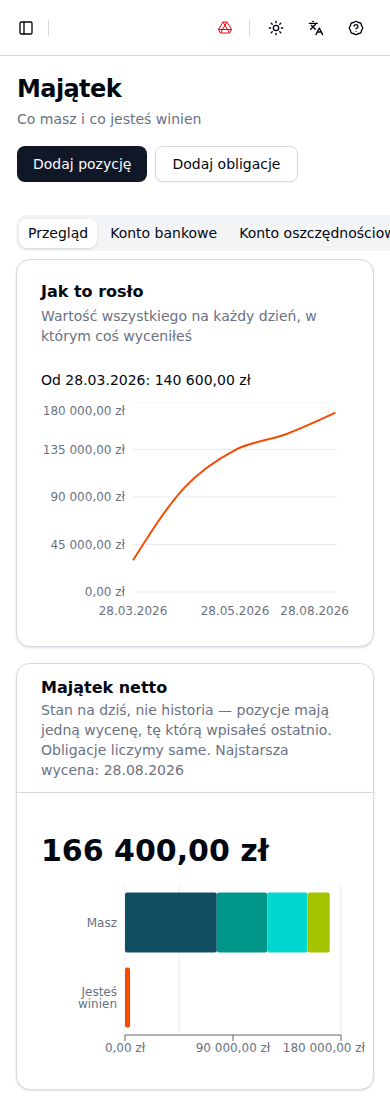
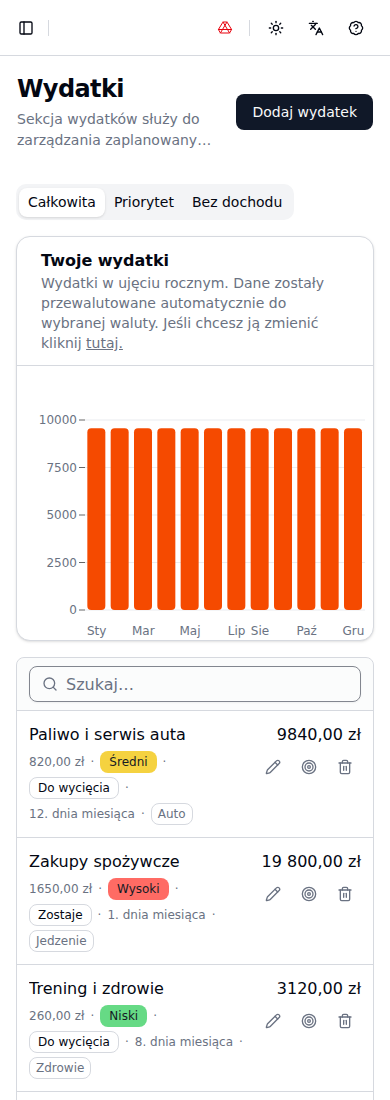
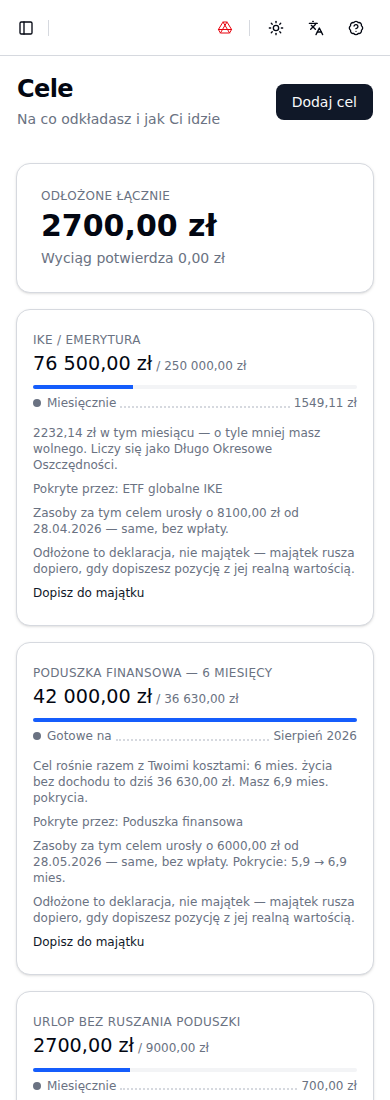
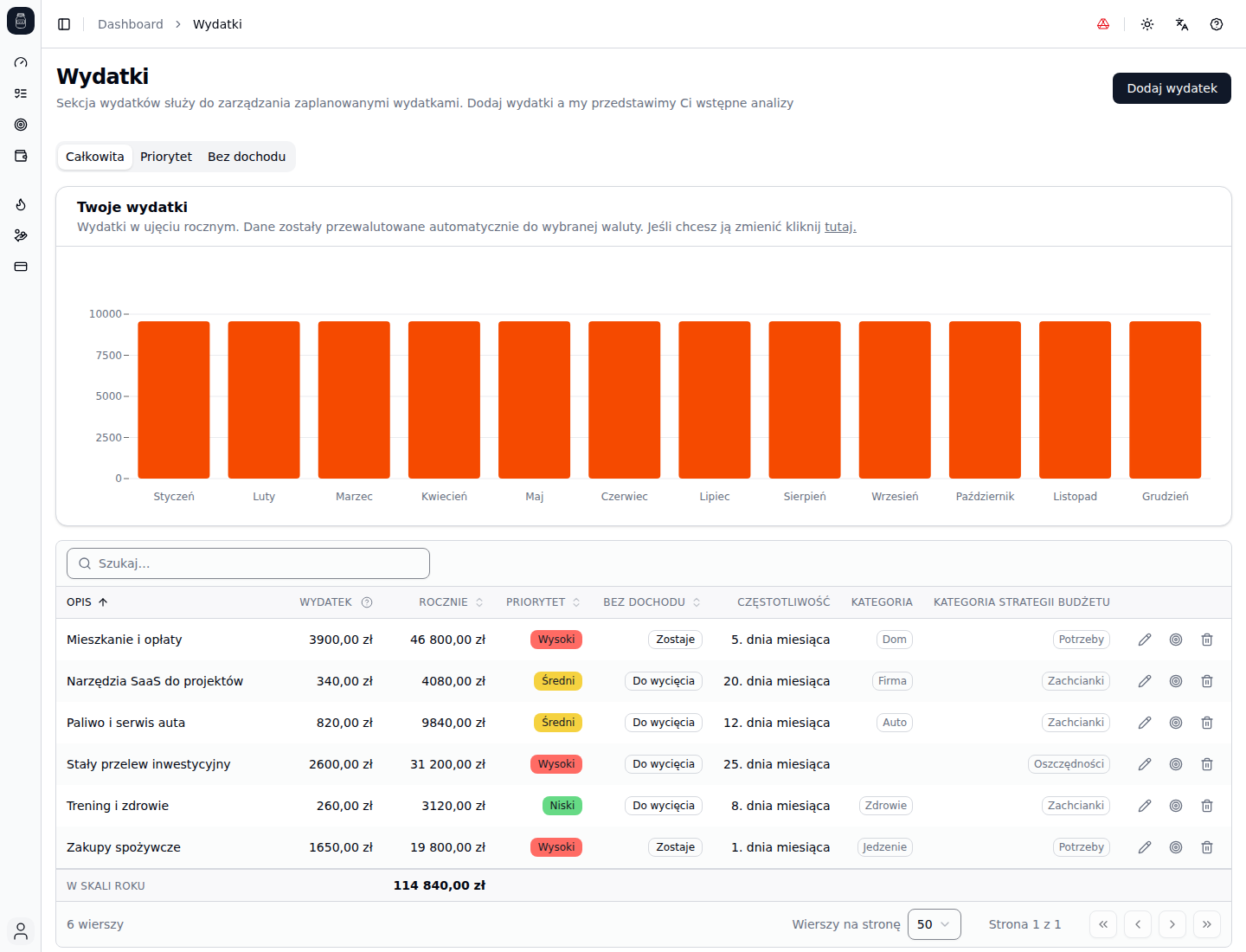
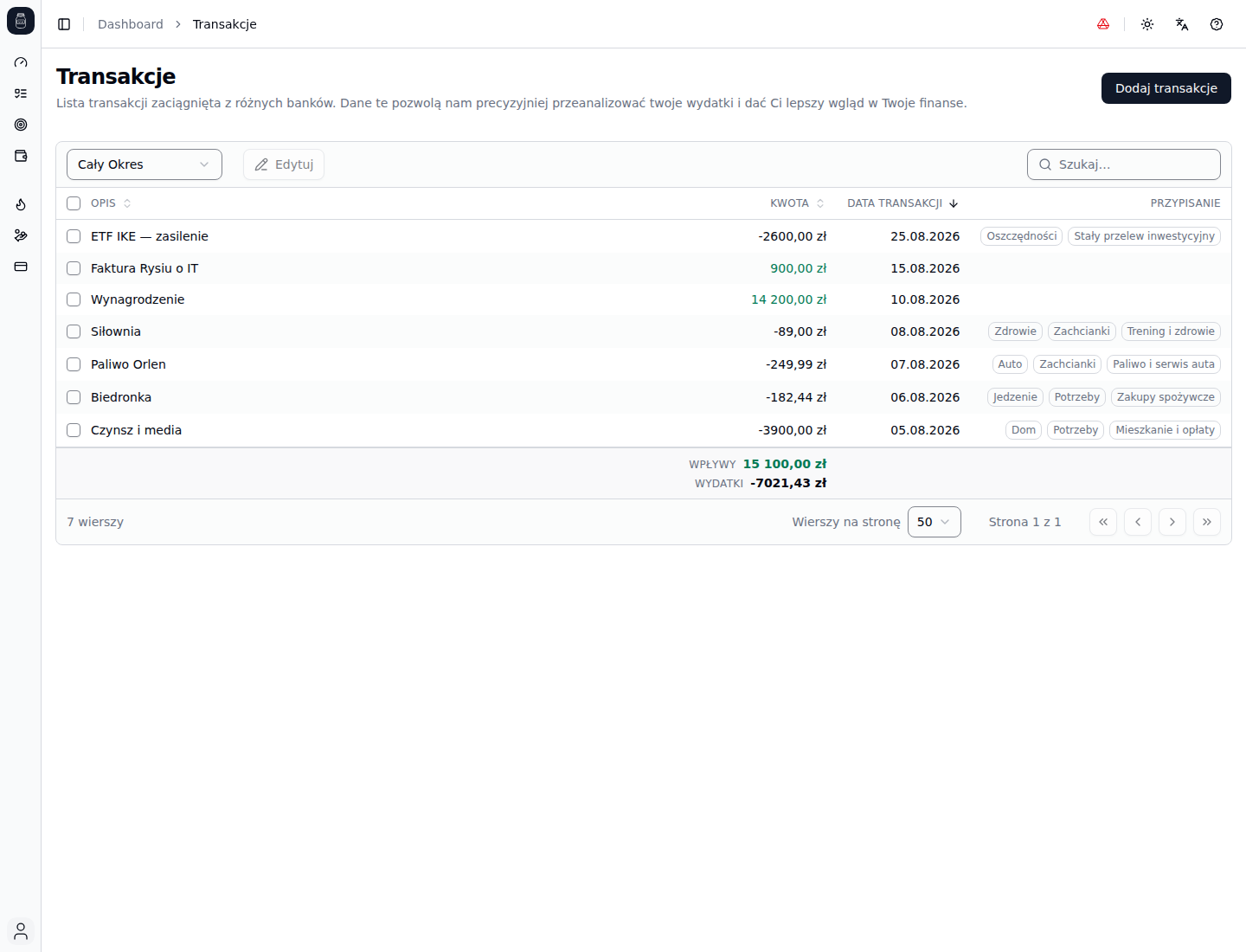
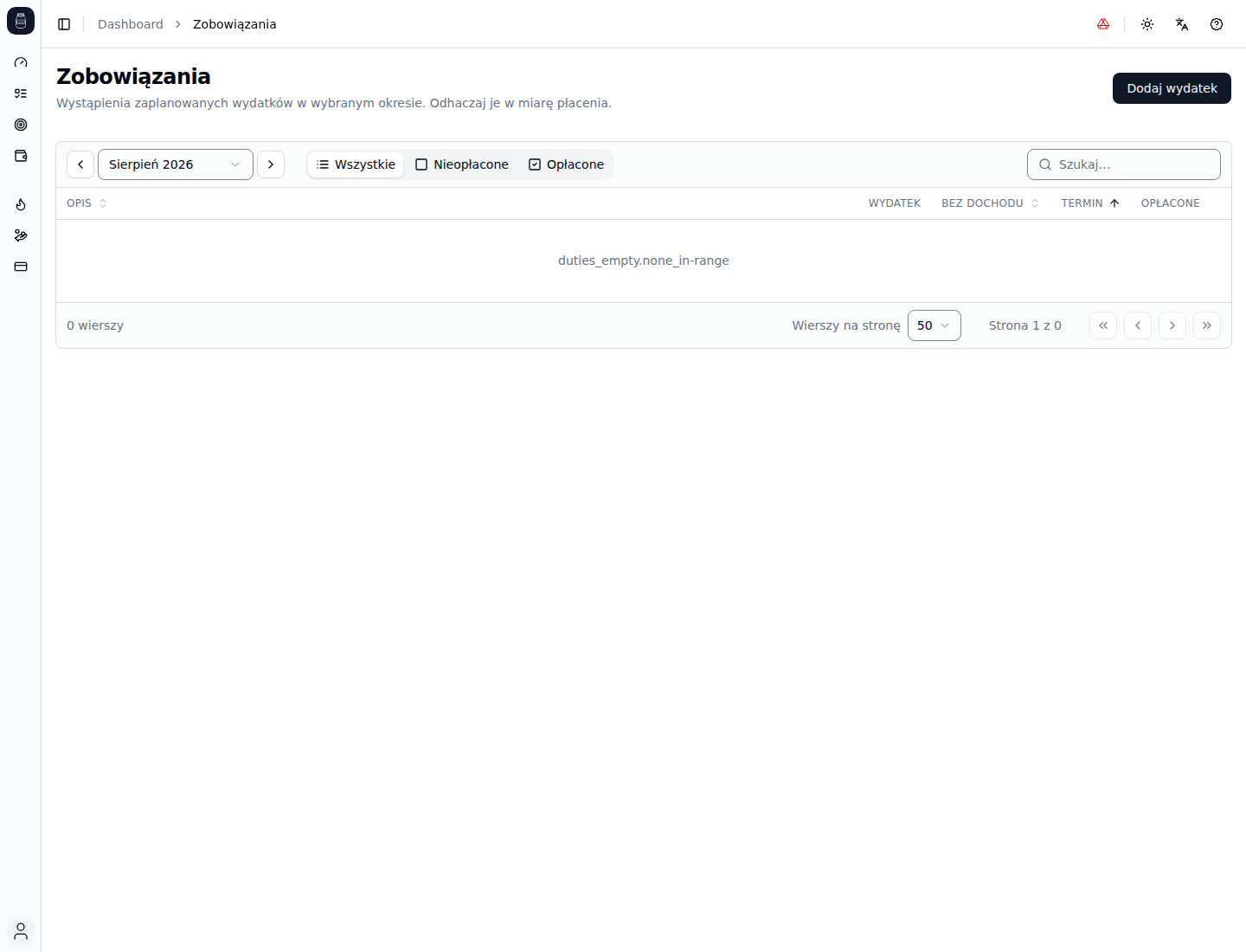
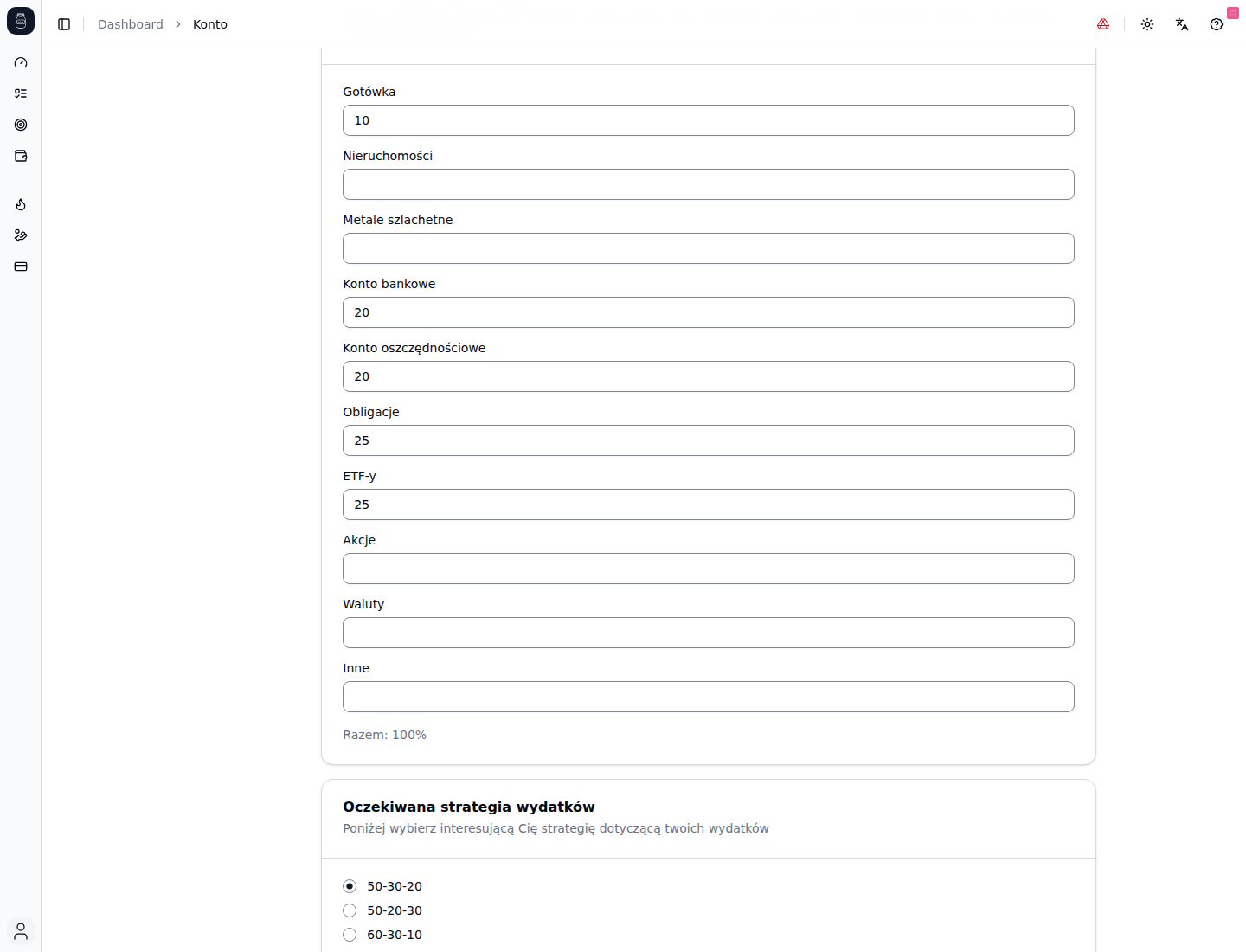
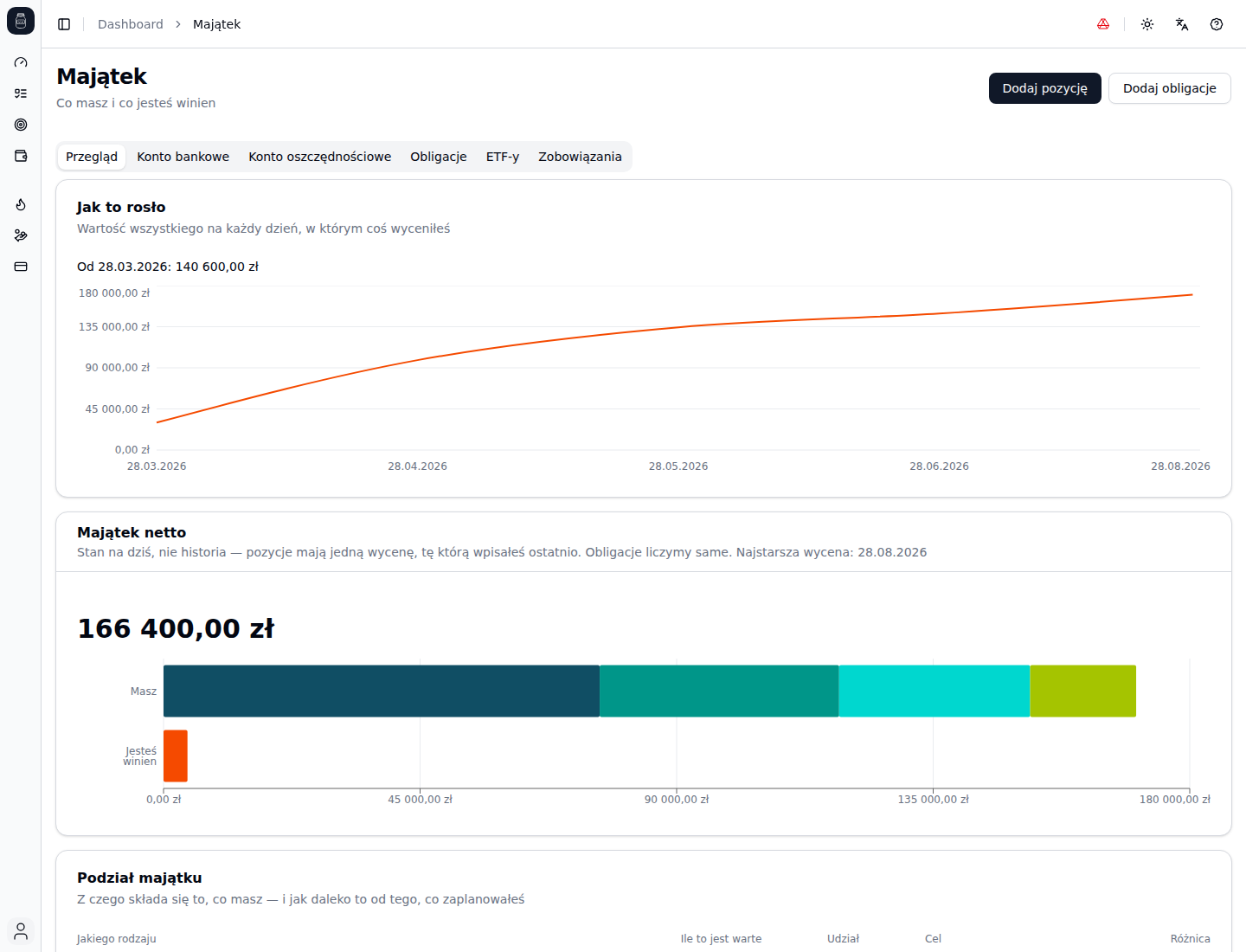
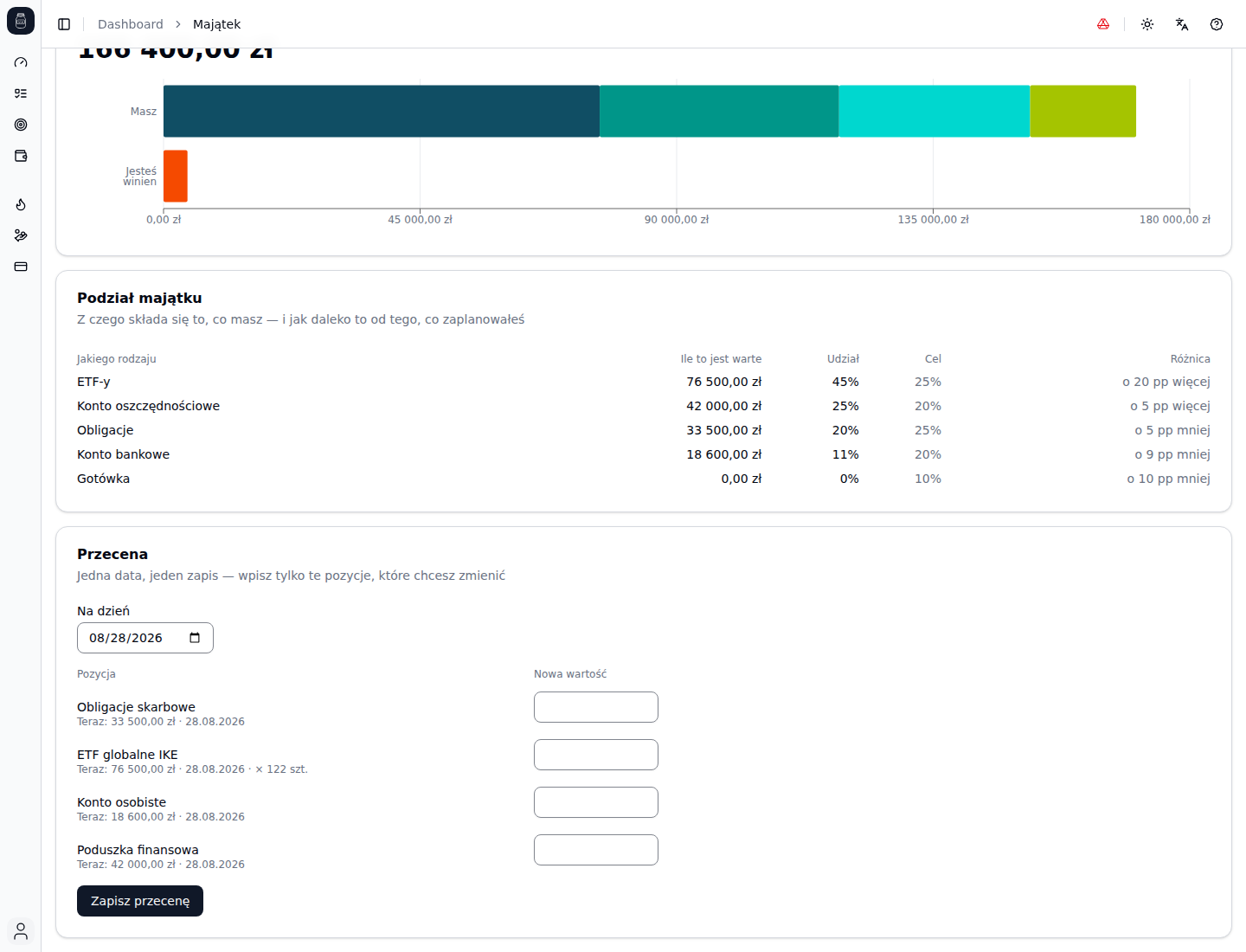
Expenses, assets, goals, liabilities and trends are separate but coherent.
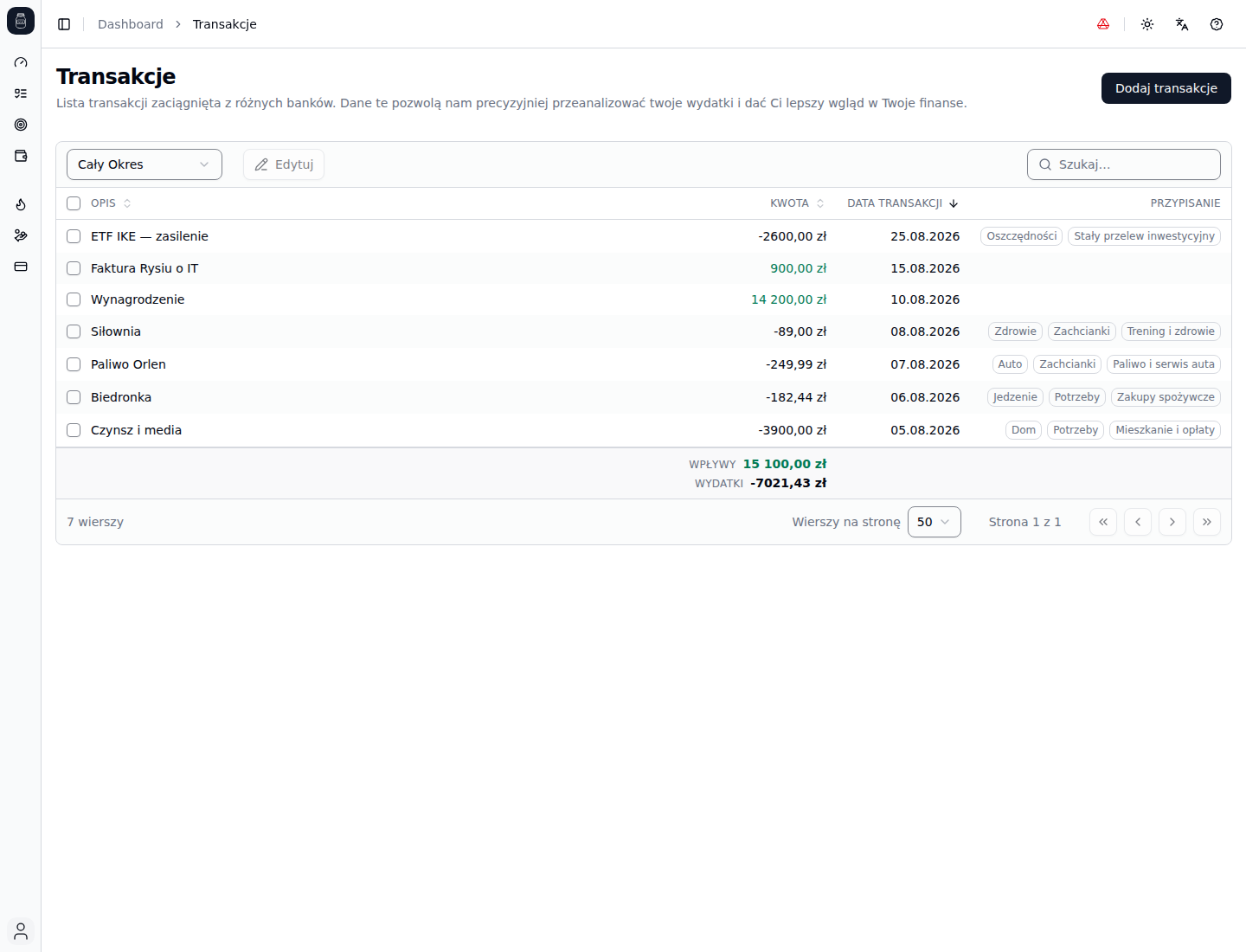
A user can move their bank history over without typing it in by hand.
Google Drive works as the user’s own sync, not a central vault of other people’s finances.
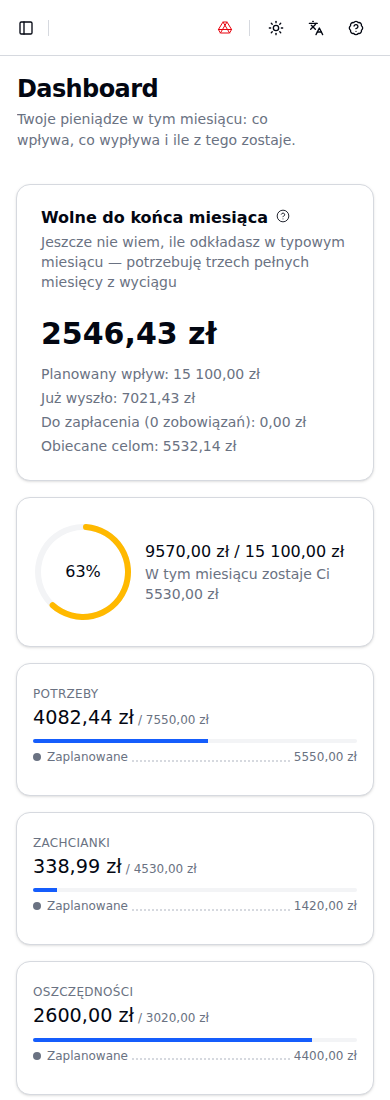
A user sees their finances without handing the financial data to the app’s server.
Saldoo shows that Rysiu o IT builds products, not just brochure sites.
The most important decision in Saldoo is not a visual one. Financial data should not land on a server just because that makes a SaaS easier to build.
Not every project has to end in a subscription. This one had to end in code somebody can read. Book a free consultation